


Pigeon Control Help for Glendale and the West Valley

For more than 40 years, City Wide Pest Control has handled pigeon removal in Glendale and across the West Valley.

Residential Pigeon Solutions for Glendale Homes and Yards

If you are looking for pigeon control in Glendale, the sooner you start, the easier the fix. Pigeons settle on rooftops, patio covers and under solar panels, and their droppings can stain and eat away at paint, stucco, concrete and roofing. With warm weather and plenty of food around, flocks stay active all year, and a bird that has picked your home as a roost rarely moves on by itself.
City Wide Pest Control has been family owned since 1986, and we remain locally owned and operated, based in Phoenix and serving more than 25 cities across Maricopa County. For bird control in Glendale, we combine proven deterrents with exclusion work on solar arrays, tile roofs and ledges, so pigeons lose their favorite spots. Residential customers never sign a contract, and same-day service is available.
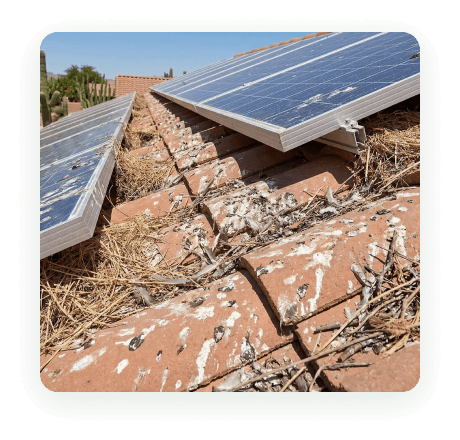
Pigeon droppings and nesting debris under rooftop solar panels
Years Serving Maricopa County
0 +

Noticing any of these signs? Don't wait.

Signs Pigeons Have Moved In

Here is what to look for around your home or yard.

Pigeons perching regularly on the roof, patio cover or ledges

Nests tucked beneath solar panels, roof tiles or covered alcoves

Droppings piling up on patio floors, walkways, driveways and lawn furniture

Mess near vents, swamp coolers and air conditioning units on the roof

Cooing at first light from pigeons roosting close to the house

Twigs, feathers and loose nesting debris gathering along gutters, eaves and the ground below

If any of this sounds familiar, call (602) 944-0099 and we will assess your property.
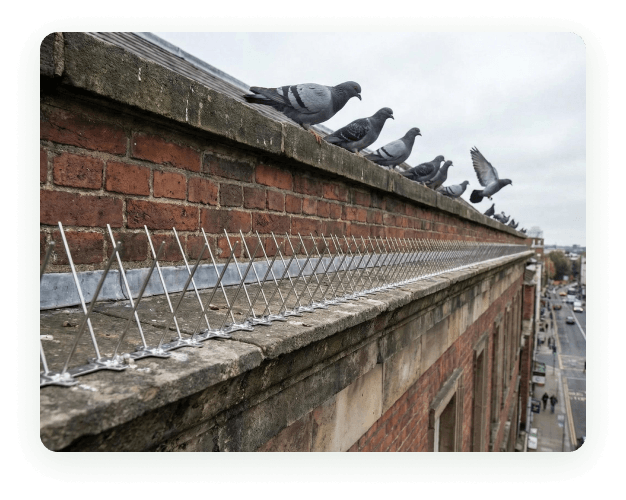
Pigeons roosting along a commercial building ledge fitted with bird spikes

Why Early Action Helps

Pigeon droppings are acidic, so over time they can etch roofing, paint, stucco, concrete and car finishes. Dried droppings can also carry fungi and bacteria, including Chlamydia psittaci, Cryptococcus and Histoplasma, which is a good reason to leave cleanup to professionals.
Pigeons can bring bird mites, lice and ticks, and these parasites sometimes wander indoors once a flock nests on the structure. Solar panels are a favorite nesting spot, and the debris underneath can hurt panel performance and add a fire concern. Without deterrents and exclusion, new generations keep coming back to the same roost.

Speak to a real person, not a robo machine.

Pigeons and Housing in Glendale

Glendale’s median home was built in 1987, which means plenty of established rooflines, ledges and patio covers where pigeons can perch. Single-family detached homes make up 58,762 of the city’s 98,383 housing units (about 60 percent), and mobile homes add another 5,413. About 24,844 units, roughly 25 percent, are in buildings with 5 or more units, including 8,634 in buildings with 50 or more units, where shared rooflines often call for a coordinated plan.
Local rules point the same direction. Glendale City Code Sec. 25-24(j), set out in Ordinance O26-15 adopted March 24, 2026, makes it unlawful to feed pigeons or peafowl on public property, a misdemeanor with a civil sanction. Sec. 25-24(a) also lists feeding pigeons and conditions that lead to rodent infestations among the nuisance conditions no person may allow on private or public property. Pairing good habits at home with bird removal in Glendale helps results last.
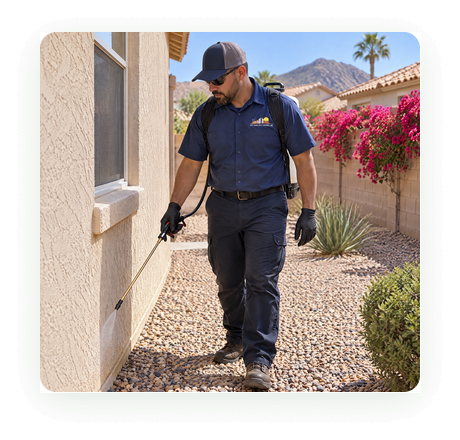
City Wide Pest Control technician treating the side yard of a suburban home in Glendale, AZ

How Our Process Works

Step 1
Assessment
We start with a walk-through to find roosts, nests, access points near solar arrays and tile roofing, and how busy the birds are.
Step 2
Deterrent Installation
Spikes, tensioned wire and netting go on the perches pigeons favor, from rooflines and ledges to patio covers, so landing stops being comfortable.
Step 3
Solar Panel Exclusion
Around solar arrays we fit mesh screening that closes the space between the panels and the roof, removing the sheltered nook pigeons prefer.
Step 4
Nest and Debris Removal
We clear out old nests, eggs and built-up droppings, then clean the surfaces they affected.
Step 5
Follow-Up
We follow up to confirm the deterrents are holding, the birds have moved on and no new nests are forming.

Pigeons You Will See in Glendale

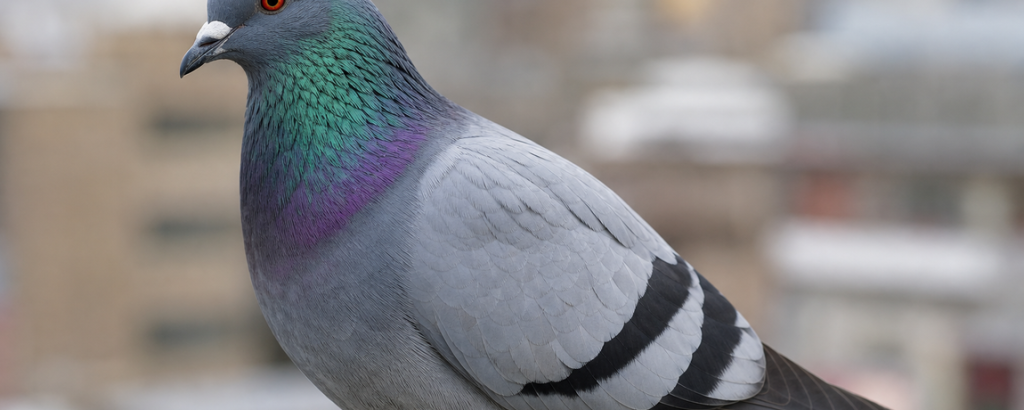
Rock pigeon (Columba livia) perched on a building ledge
Rock Pigeon
Columba livia
The feral pigeon is the usual visitor: a stocky gray bird, 11 to 14 inches long, with green and purple shimmer on the neck. Descended from cliff nesters, it treats ledges, rooftops and overhangs as home, and in Arizona’s mild climate it can raise several broods a year.
Feral pigeons have done well alongside growing cities. They gravitate to neighborhoods with solar panels, tile roofs, pet food, birdseed, open trash and water from pools or irrigation. Pigeons are creatures of routine: after settling on a roost, they keep returning to it until it is physically blocked off.

Family owned since 1986. No contracts required.

Simple Prevention Tips for Homeowners

These habits help keep pigeons away between professional visits.
City Wide Pest Control brand-green shield with checkmark prevention icon

Skip feeding pigeons, and keep pet food, birdseed and scraps put away outdoors

City Wide Pest Control brand-green shield with checkmark prevention icon

Use tight lids on trash cans and dumpsters

City Wide Pest Control brand-green shield with checkmark prevention icon

Cut down on drinking spots by fixing irrigation leaks and covering pools when you can

City Wide Pest Control brand-green shield with checkmark prevention icon

Add deterrents to flat ledges as soon as pigeons start landing, before a colony settles in

City Wide Pest Control brand-green shield with checkmark prevention icon

Fit exclusion mesh around solar panels before birds start nesting

City Wide Pest Control brand-green shield with checkmark prevention icon

Clear nesting material right away, because pigeons rebuild quickly if you only knock it down

Why Choose City Wide Pest Control

Family owned since 1986

over 40 years protecting West Valley desert communities

No contracts

for residential, stay because it works

State-licensed staff

technicians AND office personnel licensed by the Arizona Department of Agriculture

Government-trusted

contracts with State, County, and City buildings, along with several school districts

Green, kid friendly, pet friendly

IPM approach suited to desert environments

Real people

call (602) 944-0099, talk to an account manager, not a robo machine
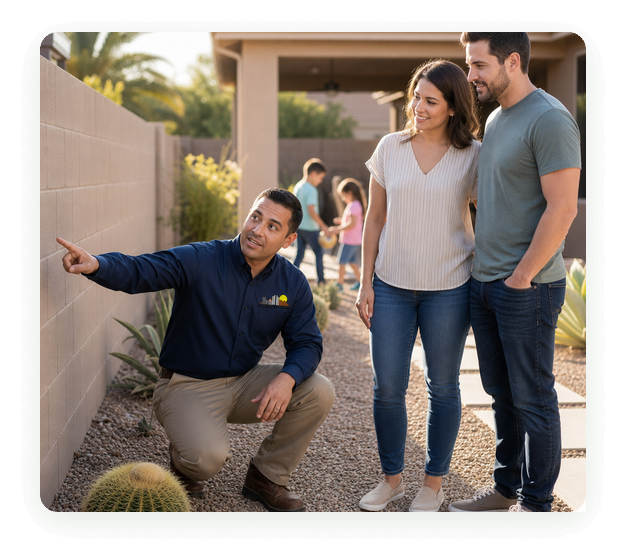
City Wide Pest Control technician showing a Phoenix family where he will treat their backyard

Let's Solve Your Pest Problem the Right Way

Need a pigeon exterminator in Glendale you can count on? City Wide Pest Control offers deterrents and exclusion to protect your roof, solar panels and outdoor spaces. Residential service has no contracts, and same-day service is available. Call (602) 944-0099 and reach a family owned team that has served Arizona homes since 1986.

Frequently Asked Questions

Is it legal to feed pigeons in Glendale?
Not on public property. Glendale City Code Sec. 25-24(j), set out in Ordinance O26-15 adopted March 24, 2026, makes feeding pigeons or peafowl there unlawful, a misdemeanor with a civil sanction. Sec. 25-24(a) also lists feeding pigeons among the nuisance conditions no person may allow on private or public property. Skipping the feeder at home helps too.
Pigeons are creatures of routine. Once a spot offers shelter, food or water, they return to it, and later generations reuse the same roost. Deterrents and exclusion remove the shelter, while tidy trash, covered pet food and repaired irrigation leaks remove the reasons to visit.
Glendale Code Compliance’s pigeon brochure says feral pigeons lay eggs six times a year and breed faster near a major food source. Eggs usually hatch in about 18 days, so one overlooked nest can turn into the next brood quickly. Removing nests and closing off the site stops that cycle.
They can. About 24,844 of Glendale’s 98,383 housing units, roughly 25 percent, are in buildings with 5 or more units. On shared roofs and balconies we look at the whole structure so deterrents and exclusion cover every perch, not just one unit. Call us and we will talk through the setup.
Yes. The median home in Glendale was built in 1987, and 58,762 of the city’s 98,383 housing units are single-family detached homes, with another 5,413 mobile homes. We inspect each roofline, patio cover, ledge and solar array, then tailor deterrents and exclusion to what we find.
Pigeons usually settle into a roost around dusk and stay put overnight, then head out to feed at first light, which is why the cooing starts so early. Because Arizona stays warm, roosting and nesting can continue through the year, so a regular perch tends to stay in use until it is blocked.

Pigeon Control Near Glendale

Explore our Glendale hub, the main Pigeon Control page and the nearby West Valley cities we serve.