




Cave Creek Scorpion Control for the Desert Foothills

A trusted scorpion exterminator in Cave Creek, serving Arizona families for more than 40 years.

Residential Help With Scorpions in the Desert Foothills

Scorpion control in Cave Creek comes down to one species. University of Arizona Extension reports at least 30 scorpion species in Arizona, and only the bark scorpion, a climber that never burrows, is considered life-threatening. Because bark scorpions climb, they can turn up on walls and ceilings, so a careful, well-timed plan matters most for homes with children or pets.
City Wide Pest Control has been family owned since 1986 and is locally owned and operated, based in Phoenix. We approach scorpion pest control in Cave Creek with the same Integrated Pest Management mindset we use everywhere, and residential service never requires a contract.
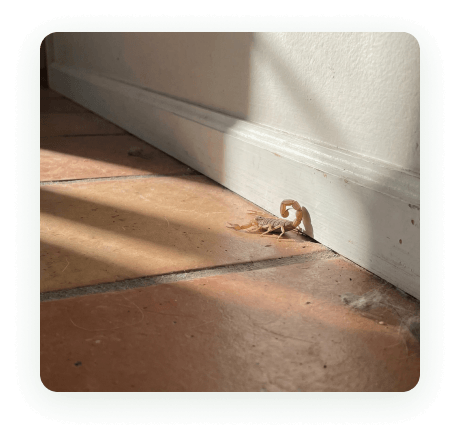
A scorpion on the tile floor along the baseboard of a Phoenix home
Years Serving Maricopa County
0 +

Noticing any of these signs? Don't wait.

Signs of Scorpion Activity

Keep an eye out for these clues around your home or property.

Scorpions spotted inside, often around sinks, closets, or exterior doorways

Scorpions turning up in footwear, linens, or laundry on the floor

Lots of crickets or roaches nearby, since scorpions travel to where the food is

Block walls with open caps close by, a favorite hiding spot for bark scorpions

Mulch, landscape rock, or clutter stacked along the foundation

If any of this sounds familiar, call (602) 944-0099 and we will talk through scorpion removal in Cave Creek with you.
Children running through a sprinkler on a treated Phoenix backyard lawn

Why Bark Scorpions Are Different

A bark scorpion sting hurts, and it can bring numbness and tingling. Young children and older adults should be checked by a medical professional after a sting, and anyone with muscle spasms or trouble breathing needs emergency care. Our goal is simple: keep scorpions away from the rooms where your family sleeps, plays and gets dressed.
Many scorpions live at ground level, yet the bark scorpion climbs. It can scale stucco, cross a ceiling, and slip through very small gaps. Block wall fences are a favorite hiding place, since scorpions settle in the spaces between blocks and under the caps, which is why we inspect them closely.

Speak to a real person, not a robo machine.

Cave Creek's Large Desert Lots and Scorpions

Cave Creek’s Desert Rural zones set minimum lot sizes from 43,000 square feet (DR-43) up to 190,000 square feet (DR-190), so lots tend to be roomy. In the DR-89 and DR-190 zones, buildings may cover no more than 10 percent of a lot (15 percent in DR-43), which leaves plenty of open ground around a house for scorpions to roam. That is why bark scorpion control in Cave Creek works best when it looks at the whole property, not only the walls.
University of Arizona Extension says scorpions can become household pests in newly developed areas and rural settings, and that homes near arroyos may see influxes during summer monsoons. It also says pesticides alone cannot manage scorpions, so we pair treatment with sealing guidance and prey reduction. Extension adds that crawl spaces attract widow spiders, scorpions and rodents, and recommends quarter-inch hardware cloth over attic, roof and crawl space vents.
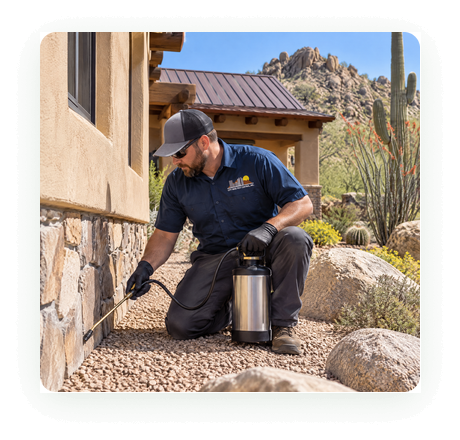
City Wide Pest Control technician treating a ranch home on a boulder desert lot in Cave Creek, AZ

How We Handle Scorpions

Step 1
Inspection
We walk the property to find entry points, hiding spots and prey insects. Wall caps, foundation cracks, weep holes and landscaping all get a close look.
Step 2
Prey Insect Elimination
Scorpions hunt whatever small insects are around the home, so cutting down that food supply is the smartest first step in managing them.
Step 3
Targeted Harborage Treatment
Treatment goes where scorpions hide: the tops and seams of block walls, slab joints, drainage openings, rock beds and hollow spots in exterior walls.
Step 4
Entry Point Sealing Recommendations
We look for the small gaps and cracks that let scorpions in, then point out exactly what should be sealed up.
Step 5
Monthly Barrier Maintenance
Regular scorpion treatment in Cave Creek keeps numbers low, backed by a 21-day warranty on monthly service.

Scorpion Species in the Desert Foothills

Arizona bark scorpion (Centruroides sculpturatus) on desert gravel
Arizona Bark Scorpion
Centruroides sculpturatus
Pale yellow to tan, about 2 to 3 inches long, with narrow pincers and a slim tail. The one species in Arizona considered medically significant. A strong climber that turns up on walls and ceilings, sometimes indoors. Active at night, then tucked into crevices by day.
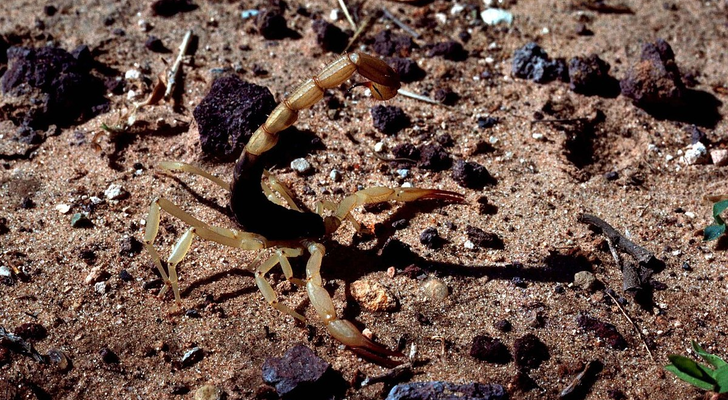
A scorpion on open desert sand
Giant Desert Hairy Scorpion
Hadrurus arizonensis
The biggest scorpion in North America, reaching up to 6 inches. Yellowish brown with a darker back. Digs burrows in the desert and is seldom found indoors.
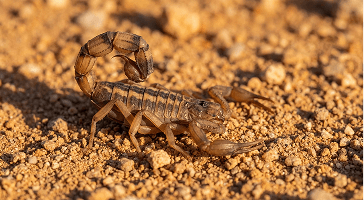
Close-up of a stripe-tailed scorpion on desert sand
Stripe-Tailed Scorpion
Hoffmannius spinigerus
Mid-sized at 2 to 3 inches, with a sturdy body and banded tail. Ground dwelling, seen in yards and open desert.

Family owned since 1986. No contracts required.

Simple Steps for Property Owners

A few habits at home can keep scorpion activity down between visits.
City Wide Pest Control brand-green shield with checkmark prevention icon

Fill gaps and cracks along the foundation, including expansion joints, because bark scorpions can squeeze through openings about as thin as a credit card

City Wide Pest Control brand-green shield with checkmark prevention icon

Add door sweeps to every exterior door, especially the garage

City Wide Pest Control brand-green shield with checkmark prevention icon

Put caps on block fence walls wherever you can

City Wide Pest Control brand-green shield with checkmark prevention icon

Keep mulch, debris and woodpiles away from the foundation

City Wide Pest Control brand-green shield with checkmark prevention icon

Use fewer outdoor lights, which draw the insects scorpions hunt

City Wide Pest Control brand-green shield with checkmark prevention icon

Trim grass and shrubs back from the structure

Why Choose City Wide Pest Control

Family owned since 1986

over 40 years protecting North Valley desert communities

No contracts

for residential, stay because it works

State-licensed staff

technicians AND office personnel licensed by the Arizona Department of Agriculture

Government-trusted

contracts with State, County, and City buildings, along with several school districts

Green, kid friendly, pet friendly

IPM approach suited to desert environments

Real people

call (602) 944-0099, talk to an account manager, not a robo machine

City Wide Pest Control technician showing a Phoenix family where he will treat their backyard

Let's Solve Your Pest Problem the Right Way

Ready for fewer scorpions around the house? Call City Wide Pest Control. Residential service never needs a contract, and our family owned team has been serving Arizona homes since 1986, with same-day service available.

Frequently Asked Questions

Does City Wide handle scorpions in Cave Creek, AZ?
Yes. City Wide Pest Control serves Cave Creek and the surrounding desert foothills with residential scorpion service, and same-day service is available. Call (602) 944-0099, Monday to Saturday, 8 to 5. Residential service has no contracts, and our technicians and office staff are licensed by the Arizona Department of Agriculture, Pest Management Division.
University of Arizona Extension says homes near arroyos may see influxes of scorpions during summer monsoons. If your property sits near a wash, mention it when you call so we can look at those areas closely. Extension also says pesticides alone cannot manage scorpions, so we combine treatment with sealing guidance and cutting down the insects they eat.
They can. University of Arizona Extension says crawl spaces attract widow spiders, scorpions and rodents, and it recommends quarter-inch hardware cloth over attic, roof and crawl space vents to keep out birds, bats and rodents. During an inspection we check entry points and hiding spots around the home.
Bark scorpions can. They climb stucco and block walls and even cross ceilings, which is why they sometimes turn up indoors. Many other species live at ground level. Sealing small gaps, adding door sweeps and treating wall voids and block wall caps all help keep climbers from reaching living areas.
Bark scorpions are pale yellow to tan, about 2 to 3 inches long, with narrow pincers and a slim tail. That coloring is why many people call them tan scorpions. Active at night and tucked into crevices by day, they are easiest to spot after dark, often on walls or near doors.
Scorpions are technically venomous, not poisonous, and the tan one to know is the bark scorpion. Per University of Arizona Extension, it is the only Arizona species considered life-threatening. Other scorpions can look similar, so do not guess from color alone. If someone is stung, contact a medical professional, and call for emergency help if breathing is difficult.

Scorpion Help Near Cave Creek

Explore the Cave Creek pest control hub, our main Scorpion Control page and service pages for nearby cities.