Glendale's Unique Pest Challenges
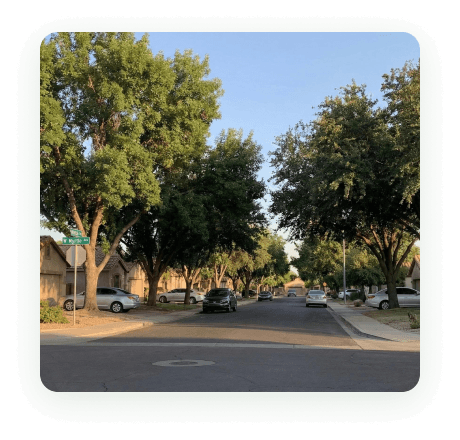
Glendale’s older residential neighborhoods, particularly the areas between Glendale Avenue and Northern Avenue, along
59th Avenue, and near the historic downtown, were built during an era when termite pretreats were less sophisticated than
today’s standards. These homes have 40-60 years of subterranean termite exposure, and many have original plumbing with
gaps that allow American cockroaches to enter from the sewer system. Flood irrigation still
serves some Glendale properties, creating the moisture conditions that roaches, ants, and termites thrive in.
The northern reaches of Glendale and the areas around Arrowhead Ranch, Thunderbird, and the Loop 101 corridor feature
newer construction on former desert and agricultural land. These neighborhoods need dedicated scorpion control in
Glendale as bark scorpions migrate from undeveloped areas into block wall communities. The commercial and
entertainment district around State Farm Stadium, Westgate, and the Glendale Municipal Airport creates commercial pest
management demand, restaurants, hotels, and retail need consistent, documented pest control.
Glendale’s position in the West Valley also exposes it to unique pest dynamics. The Agua Fria River wash runs through the
city, providing wildlife corridors that bring pack rats, ground squirrels, and associated pests into residential areas. The
agricultural parcels that still exist in western Glendale attract rodents, ants, and other pests that eventually move into
neighboring homes.