



Scorpion Control for Queen Creek and the Far Southeast Valley

City Wide Pest Control is a scorpion exterminator in Queen Creek backed by over 40 years of service.

Residential Scorpion Care for Queen Creek Homeowners

Looking for scorpion control in Queen Creek? The Arizona bark scorpion is the species homeowners hear about most. It is small, tan, and a skilled climber, so it can move across walls and slip through very narrow gaps. For households with children and pets, it is worth handling early. The good news is that a steady, careful plan works well and keeps the yard and house comfortable.
City Wide Pest Control is family owned and locally owned and operated, with the same family at the helm since 1986. We offer scorpion pest control in Queen Creek from our base in Phoenix, and we know what Valley homes are up against. Residential service never requires a contract.
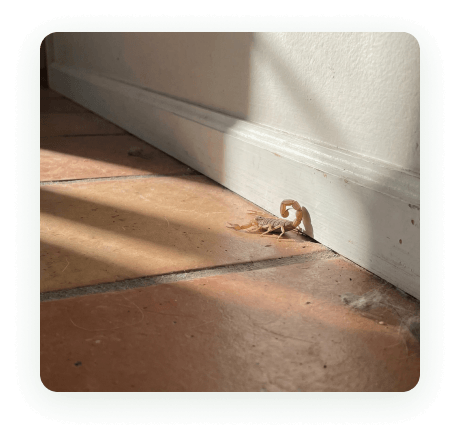
A scorpion on the tile floor along the baseboard of a Phoenix home
Years Serving Maricopa County
0 +

Noticing any of these signs? Don't wait.

Signs You May Have Scorpions

Keep an eye out for these clues around your home.

Scorpions turning up indoors, often in bathrooms, closets, or near exterior doors

Scorpions hiding in shoes, towels, or laundry left on the floor

Lots of crickets or roaches nearby, since scorpions hunt where the food is

Block walls with open caps close to the house, a favorite bark scorpion hideout

Mulch, landscape rock, or clutter stacked against the foundation

Seeing any of these signs? Call (602) 944-0099 and ask our team about scorpion removal in Queen Creek.
Children running through a sprinkler on a treated Phoenix backyard lawn

Why Scorpion Service Matters

A bark scorpion sting can bring sharp pain, numbness, and tingling. Children under 5 and older adults can have stronger reactions, so anyone stung should call a doctor or the Arizona Poison and Drug Information Center. Keeping scorpions away from living spaces in the first place is far easier, and that is the goal of every visit we make.
Bark scorpions stand out because they climb. Most species stay low to the ground, yet this one walks up stucco, crosses ceilings, and can end up inside a room. Hollow block walls give it plenty of tight spaces under caps and between blocks, so good bark scorpion control in Queen Creek always includes the fences.

Speak to a real person, not a robo machine.

Scorpions and Block Walls in Queen Creek

Queen Creek sits beside San Tan Mountain Regional Park, a Maricopa County park of more than 10,000 acres on the town’s south edge, where creosote flats give way to dense saguaro forest. Multi-use trails along the Queen Creek and Sonoqui washes connect neighborhoods to the park, so desert and yard are never far apart, which shapes how we plan each property visit.
The housing is mostly recent. Of Queen Creek’s 21,724 housing units, about 91 percent date from 2000 or later, and about 95 percent are single-family detached homes. University of Arizona research found 95 percent of Arizona bark scorpions preferred hollow block walls as refuge, and irrigated landscapes support higher scorpion populations than desert wildland, so we start with the walls and the watered beds.
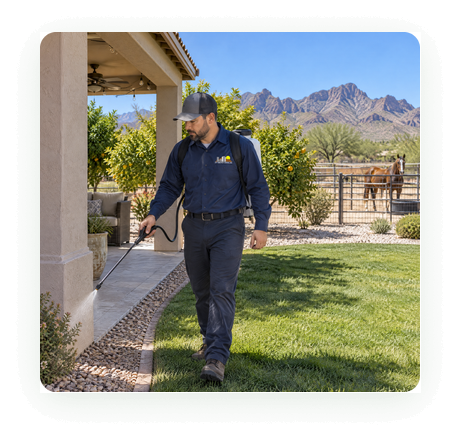
City Wide Pest Control technician treating a large backyard at a ranch-style home in Queen Creek, AZ

How We Handle Scorpions

Step 1
Inspection
We walk the property and check weep holes, foundation cracks, fence walls, and landscaping for hiding spots, and note which insects are drawing scorpions in.
Step 2
Prey Insect Elimination
Scorpions follow their meals, such as crickets and roaches, so thinning out those insects is the smartest first move toward lasting results.
Step 3
Targeted Harborage Treatment
We treat the places scorpions hide: wall caps, joints, weep holes, rock beds, foundation cracks, and voids inside exterior walls.
Step 4
Entry Point Sealing Recommendations
We find the gaps, cracks, and openings scorpions use to get indoors, then point out exactly what should be sealed.
Step 5
Monthly Barrier Maintenance
Regular visits keep a protective barrier in place, backed by our 21-day warranty on monthly service.

Scorpions You May Find Here

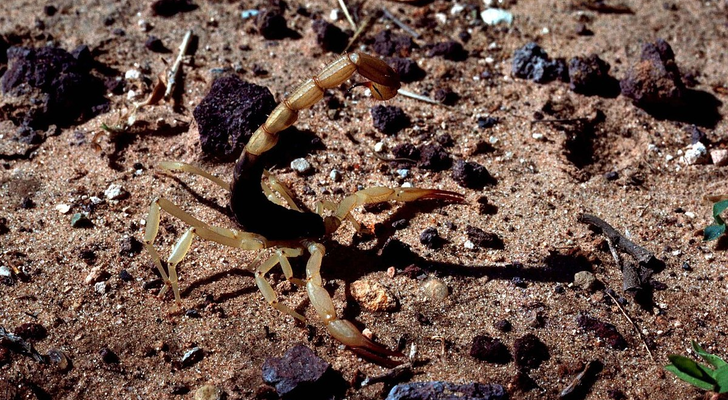
Arizona bark scorpion (Centruroides sculpturatus) on desert gravel
Arizona Bark Scorpion
Centruroides sculpturatus
Pale straw to tan, roughly 2 to 3 inches long, with narrow pincers and a slim tail. Arizona’s one scorpion of real medical concern. A strong climber, it shows up on walls and ceilings and sometimes indoors. It is active at night and tucks into cracks and voids by day.
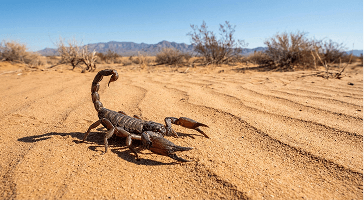
A scorpion on open desert sand
Giant Desert Hairy Scorpion
Hadrurus arizonensis
North America’s biggest scorpion, reaching up to 6 inches. Yellow-brown with a darker back. It digs desert burrows and is less likely to wander into houses.
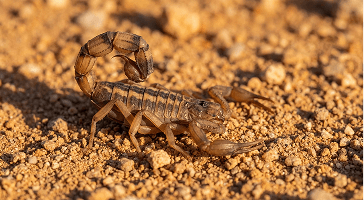
Close-up of a stripe-tailed scorpion on desert sand
Stripe-Tailed Scorpion
Hoffmannius spinigerus
Mid-sized at 2 to 3 inches, stocky, with a banded tail. Ground-dwelling and common in yards and open desert.

Family owned since 1986. No contracts required.

Simple Prevention Steps for Homeowners

These easy habits help keep pests down between professional visits.
City Wide Pest Control brand-green shield with checkmark prevention icon

Seal cracks, gaps, and expansion joints around the foundation, since bark scorpions can squeeze through openings about as thin as a credit card

City Wide Pest Control brand-green shield with checkmark prevention icon

Fit door sweeps on every exterior door, garage doors especially

City Wide Pest Control brand-green shield with checkmark prevention icon

Cap or seal block fence walls where you can

City Wide Pest Control brand-green shield with checkmark prevention icon

Move mulch, debris, and woodpiles away from the foundation

City Wide Pest Control brand-green shield with checkmark prevention icon

Dim or limit outdoor lights that draw the insects scorpions eat

City Wide Pest Control brand-green shield with checkmark prevention icon

Keep lawn and shrubs trimmed back from the house

Why Choose City Wide Pest Control

Family owned since 1986

over 40 years protecting East Valley desert communities

No contracts

for residential, stay because it works

State-licensed staff

technicians AND office personnel licensed by the Arizona Department of Agriculture

Government-trusted

contracts with State, County, and City buildings, along with several school districts

Green, kid friendly, pet friendly

IPM approach suited to desert environments

Real people

call (602) 944-0099, talk to an account manager, not a robo machine

City Wide Pest Control technician showing a Phoenix family where he will treat their backyard

Let's Solve Your Pest Problem the Right Way

Ready to get ahead of the problem? Call City Wide Pest Control, a family owned company since 1986 and a trusted contractor for State, County and City buildings and several school districts. You get clear, no-pressure scorpion treatment in Queen Creek, with no residential contract.

Frequently Asked Questions

Why do block walls matter for scorpions in Queen Creek?
University of Arizona research found 95 percent of Arizona bark scorpions preferred hollow block walls as refuge, and irrigated landscapes support higher scorpion populations than desert wildland. About 95 percent of Queen Creek housing units are single-family detached homes, so most lots have their own yard and walls to check. We inspect wall caps and joints first and advise on sealing them.
San Tan Mountain Regional Park covers more than 10,000 acres on the south edge of town, and trails connect neighborhoods to it. Scorpions are native to the desert, but research shows irrigated landscapes support higher populations than wildland, so a watered yard matters as much as distance from open desert. We look at both when we inspect.
Often, yes. About 91 percent of the town’s 21,724 housing units date from 2000 or later, and newer construction still has foundation joints, weep holes, and block walls. Bark scorpions can squeeze through openings about as thin as a credit card, so a new address does not rule them out. We check those details at every property.
An Arizona bark scorpion is pale straw to light tan, usually about 2 to 3 inches long, with narrow pincers and a slim tail. It is a strong climber and active at night, so you are most likely to spot it on walls or ceilings after dark. If you are unsure, call us for help identifying it.
Technically, scorpions are venomous rather than poisonous. The tan, straw colored bark scorpion is the only Arizona species of real medical concern, with a sting that brings sharp pain, numbness, and tingling. Children under 5 and older adults should be seen quickly, and anyone stung can call a doctor or the Arizona Poison and Drug Information Center.
Bark scorpions can. They scale stucco and block walls, cross ceilings, and enter through very small gaps, which is why we look at upper wall areas and sealing points as well as ground level. Most other scorpion species stay low to the ground. Sealing gaps and trimming back plants helps cut off their routes.

Scorpion Control Near Queen Creek

Explore the Queen Creek hub, our main Scorpion Control page, and the nearby East Valley cities we serve.