




Ant Control Phoenix

City Wide Pest Control has been providing ant control in Phoenix and Maricopa County for over 40 years.

Ant Control Phoenix: Residential Ant Control in Phoenix, AZ

If you need professional ant control in Phoenix, you’re not alone, ants are the most persistent pest invaders in Arizona homes. They march across countertops, swarm pet food bowls, and build massive colonies in yards and foundations. The Valley’s warm climate supports year-round ant activity, and monsoon season triggers aggressive foraging as colonies search for water and food. Some species, like fire ants and carpenter ants, cause pain, property damage, or both.
City Wide Pest Control has been providing ant control in Phoenix and Maricopa County for over 40 years. As a family-owned company and trusted ant exterminator in Phoenix, we know which species you are dealing with, where they are nesting, and how to eliminate the colony, not just the visible trail. No contracts required.
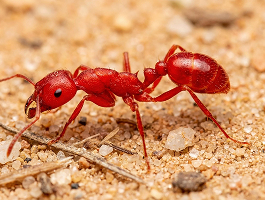
A red ant on desert sand outside a Phoenix home
Years Serving Maricopa County
0 +

Noticing any of these signs? Don't wait.

Signs of a Ant Control Problem

Watch for these warning signs at your home or property.

Ant trails along baseboards, countertops, window sills, or bathroom floors

Swarms of winged ants emerging from cracks, a sign of a mature colony reproducing

Fire ant mounds in the yard, especially after monsoon rain

Carpenter ant frass (fine wood shavings) near wooden structures, door frames, or windowsills

Ants repeatedly appearing in the same area despite cleaning, indicating a nearby nest

Ant activity around pet food bowls, pantry items, or sugary spills

If you are noticing any of these signs, call (602) 944-0099 for professional ant removal in Phoenix, AZ.
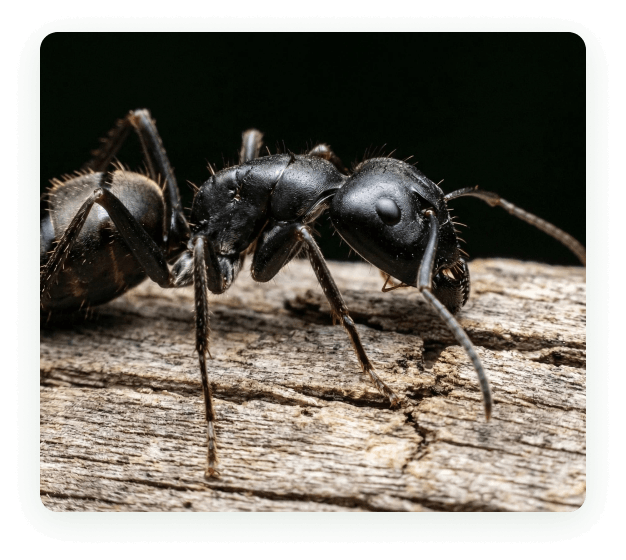
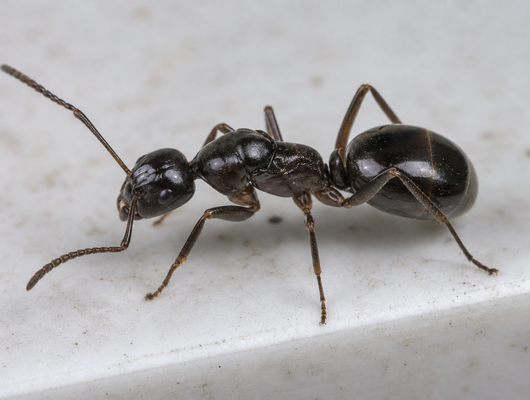
Close-up of a black carpenter ant on weathered wood

Why Ant Control Matters in Arizona

Ants are more than a nuisance in Arizona. Fire ants deliver painful stings that cause welts and allergic reactions, especially dangerous for children and pets playing in the yard. Carpenter ants tunnel into wood framing, door frames, and window frames, causing structural damage over time. Even common house ants contaminate food and surfaces as they forage.
Arizona’s desert environment drives ants indoors aggressively. During hot summer months and monsoon season, ants seek moisture and food inside your home. A single colony can contain tens of thousands of individuals, and many species establish satellite colonies throughout your property. Killing the visible ants does nothing, the queen and colony remain underground, producing more workers.

Our Ant Control Process

Step 1
Inspection and Species Identification
Different ant species require different treatment approaches. Our state-licensed technicians identify the species, locate nest sites, and map foraging trails to determine the best strategy.
Step 2
Targeted Colony Elimination
We use professional-grade baits and treatments designed to reach the queen and colony, not just the foraging workers you see on the surface.
Step 3
Perimeter Treatment
Foundation, entry points, and common foraging paths are treated to create a barrier that intercepts ants before they enter your home.
Step 4
Nest Treatment
Identified outdoor nests, including fire ant mounds and carpenter ant galleries, are directly treated to eliminate the colony at its source.
Step 5
Prevention and Monitoring
Your technician provides recommendations for reducing ant-attracting conditions and adjusts your treatment plan based on activity patterns over time.

Common Ant Species in the Phoenix Area

Close-up of a southern fire ant on desert sand
Southern Fire Ant
Solenopsis xyloni
Small, reddish-brown, 1/8 to 1/4 inch. Builds mounds in yards, sidewalk cracks, and landscape beds, especially after monsoon rains. Delivers a painful sting that produces a burning sensation and white pustules. Aggressive when mounds are disturbed.
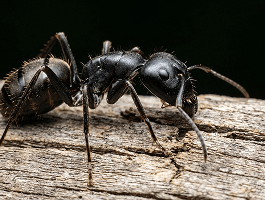
Close-up of a carpenter ant on a weathered log
Carpenter Ant
Camponotus spp.
Large, black or dark brown, 1/4 to 1/2 inch, the largest ants you will see in Arizona homes. Tunnels into moist or damaged wood to create nesting galleries. Does not eat wood but excavates it, leaving frass piles below the entry point. Found in door frames, window frames, and wood damaged by leaks.
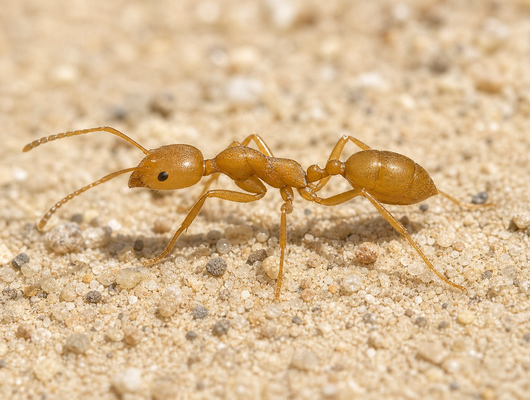
High noon ant (Forelius mccooki), a small pale brown desert ant
Forelius Ant
Forelius mccooki
Tiny, light brown, 1/16 inch. One of the most common desert ants in Arizona. Forms long foraging trails to kitchens and bathrooms. Not dangerous but persistent and difficult to control without professional treatment.
Odorous house ant (Tapinoma sessile), small dark brown ant with no visible waist node
Odorous House Ant
Tapinoma sessile
Dark brown to black, about 1/8 inch. Produces a distinctive rotten- coconut smell when crushed. Nests in wall voids, under slabs, and in landscaping. Forms large colonies with multiple queens, making them difficult to eliminate.

Family owned since 1986. No contracts required.

Prevention Tips for Property Owners

These practical steps help reduce pest activity between professional treatments.
City Wide Pest Control brand-green shield with checkmark prevention icon

Keep kitchen surfaces clean and store food in sealed containers

City Wide Pest Control brand-green shield with checkmark prevention icon

Fix leaky faucets, pipes, and irrigation, ants seek moisture aggressively in Arizona

City Wide Pest Control brand-green shield with checkmark prevention icon

Seal cracks and gaps around the foundation, doors, windows, and plumbing penetrations

City Wide Pest Control brand-green shield with checkmark prevention icon

Trim vegetation and tree branches away from exterior walls

City Wide Pest Control brand-green shield with checkmark prevention icon

Remove pet food bowls when not in use and clean up spills promptly

City Wide Pest Control brand-green shield with checkmark prevention icon

Keep firewood and landscape debris away from the foundation

Why Choose City Wide Pest Control

Family owned since 1986

over 40 years protecting East Valley desert communities

No contracts

for residential, stay because it works

State-licensed staff

technicians AND office personnel licensed by Arizona OPM

Government-trusted

contracts with State, County, and City buildings, along with several school districts

Green, kid friendly, pet friendly

IPM approach suited to desert environments

Real people

call (602) 944-0099, talk to an account manager, not a robo machine

City Wide Pest Control technician showing a Phoenix family where he will treat their backyard

Let's Solve Your Pest Problem the Right Way

Do not waste time with store-bought sprays that only treat the surface. Call City Wide Pest Control, the Valley’s most trusted ant control Phoenix homeowners rely on, to eliminate the colony. No contracts, no pressure, no robo machines, just proven service from a family-owned company protecting Arizona homes since 1986.

Frequently Asked Questions

Why do ants keep coming back after I spray?

Over-the-counter sprays kill the ants you can see but do not reach the colony. The queen continues producing workers, and the colony sends out new foragers within days. Professional treatment uses baits and products that are carried back to the colony to eliminate the queen and the nest itself.

Pricing depends on the ant species, severity of the infestation, and size of your property. Many ant issues are covered under our monthly general pest control service. Call (602) 944-0099 for a straightforward quote.
Absolutely, fire ant control in Phoenix is essential for homeowners with yards. Fire ant stings cause pain and swelling in dogs and cats, and severe reactions are possible, especially for small animals. If you have fire ant mounds in your yard, professional treatment protects your pets during outdoor time.
Yes. We use targeted baits and perimeter treatments applied to specific areas, not broadcast across living spaces. Our Integrated Pest Management approach prioritizes safety for your family and pets. We are always happy to explain exactly what we use.
Most ant infestations show significant improvement within 1-2 weeks of professional treatment. Colony elimination, especially for species with multiple queens, may take 2-4 weeks as baits work through the colony structure.
Carpenter ant control in Phoenix is important because carpenter ants cause structural damage by excavating wood for nesting, and while they work more slowly than termites, they are a real threat. Left untreated, however, carpenter ant galleries can weaken door frames, window frames, and structural supports, especially in wood that has been softened by moisture.
Ants are active year-round in the Valley, but activity spikes during monsoon season (roughly June through September) when colonies forage aggressively for water and food. Hot, dry summer months also push ants indoors searching for moisture. If you notice more trails or swarms during these periods, it’s normal ant behavior, not a sign your yard is unusually infested.
Carpenter ants tunnel through wood to build nests but don’t eat it, so you’ll find smooth, clean galleries and piles of sawdust-like debris (frass) near the damage. Subterranean termites, the dominant termite species in Arizona, eat wood and leave mud tubes along foundations instead. If you see winged insects or wood damage, our technicians can identify which pest you’re dealing with.
Fire ant mounds are loose, dome-shaped piles of dirt, often near sidewalks, irrigation boxes or garden beds, with no obvious entry hole. Their stings cause painful, burning welts and can trigger serious allergic reactions, which is especially risky for children and pets playing in the yard. If you spot a mound, keep people and pets away and call us rather than disturbing it.

Serving All of Maricopa County

We provide pest control across 25+ cities throughout Maricopa County.